
Important: No-upfront-cost options may be available, subject to eligibility and availability.
Top Solar Companies in Georgia
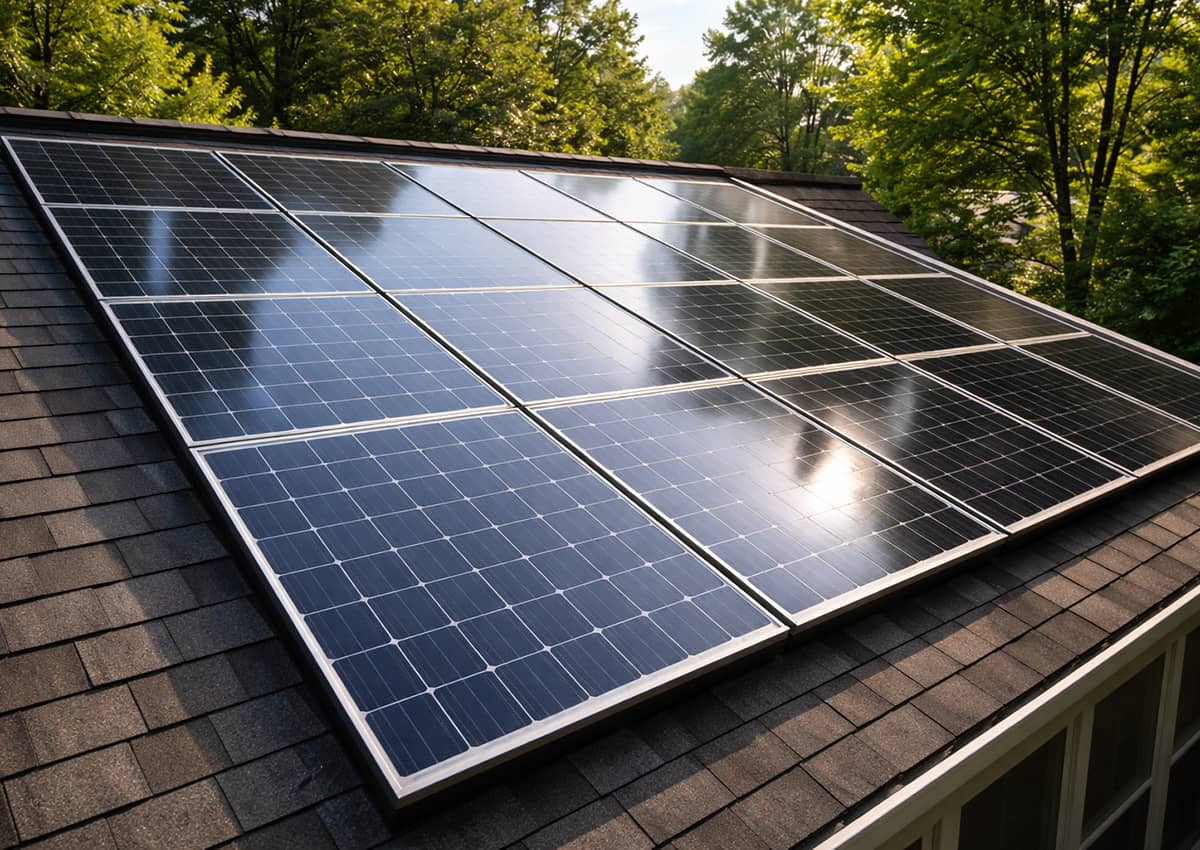
Selecting the right solar installation company determines not just the quality of your installation, but also your long-term savings. The best installers help you own your system (via loans) to capture the full $4,200-$7,800 federal tax credit plus up to $2,500 Georgia state credit, rather than pushing leases where they keep those benefits.
This guide helps you identify reputable companies, understand evaluation criteria, ask the right questions, and avoid common pitfalls in the Georgia solar market.
Check if you qualify for $0-down solar in Georgia
Get matched with vetted local installers. No obligation, free personalized quotes.
Key Takeaways
- 1Always get 3-5 quotes from a mix of national and regional installers for best pricing
- 2Top installers prioritize ownership (loans) over leases to maximize your long-term value
- 3Verify NABCEP certification, proper GA licensing, and comprehensive insurance coverage
- 4Regional installers often provide 10-25% lower pricing than national companies
- 5Red flags include high-pressure tactics, immediate lease recommendations, and vague pricing
How to Evaluate Solar Companies
Why Installer Selection Matters
The company you choose determines whether you'll save $25,000-$45,000 (with ownership through loans) or just $8,000-$15,000 (with leases). Quality installers educate you on ownership benefits rather than pushing whatever makes them the most money.
Essential Qualifications
- ✓
NABCEP Certification
Industry gold standard for installer competency
- ✓
Georgia State Licensing
Valid electrical contractor license required
- ✓
Insurance Coverage
$1M+ liability plus workers compensation
- ✓
Local Experience
Familiar with Georgia incentives and utility requirements
Quality Indicators
- •
In-Person Site Assessment
Not just satellite imagery
- •
Multiple Equipment Options
Good/better/best tier pricing
- •
Transparent Pricing
Itemized quotes with clear incentives
- •
Ownership Focus
Offers loans first, not leases
National vs Regional Installers
National Companies
Companies like Sunrun, Tesla Solar, and Sunpower operate nationwide with standardized processes.
Advantages
- • Brand recognition and track record
- • Extensive warranty networks
- • Large customer service teams
- • Standardized processes
Drawbacks
- • Higher pricing (20-40% premium)
- • Often push leases over ownership
- • Less flexibility in equipment/design
- • May use subcontractors
Regional Installers
Local Georgia companies with deep knowledge of state regulations, incentives, and utility processes.
Advantages
- • 10-25% lower pricing
- • Direct owner access
- • Georgia incentive expertise
- • More flexible and personalized
- • Faster response times
Drawbacks
- • Less brand recognition
- • Smaller service teams
- • May have limited availability
Our Recommendation
Get quotes from both national and regional installers. Regional companies often provide the best value, but comparing multiple quotes ensures you understand the market rate and find the best fit for your needs.
Critical Questions to Ask Every Installer
About Financing & Ownership
"Do you recommend I own my system through a loan or lease it?"
Best answer: They explain loan benefits and help you own the system to capture incentives
"What incentives will I receive, and what's my net cost after all incentives?"
Should detail federal credit ($4,200-$7,800) and Georgia state credit (up to $2,500)
"What happens if I sell my home before the loan is paid off?"
Owned systems add home value and transfer easily; leases complicate sales
About Equipment & Installation
"What panel brands and inverter options do you offer?"
Look for Tier 1 panels with 25-year warranties
"Will you do an in-person site assessment or rely on satellite imagery?"
In-person assessments catch issues satellite misses
"Do you use in-house crews or subcontractors?"
In-house crews typically provide better quality control
About Warranties & Service
"What warranties cover panels, inverters, and workmanship?"
Standard: 25-year panels, 10-25 year inverters, 10-year workmanship
"How do I request service if there's an issue?"
Should have clear local contact and response timeframes
"Can you provide 3-5 local references I can contact?"
Reputable installers readily provide recent references
Red Flags to Avoid
Warning Signs of Poor Installers
These red flags indicate a company may not have your best interests in mind. Walk away if you encounter multiple warning signs.
Sales Tactics
- ✗
High-Pressure Sales
"Sign today for this special price" or time-limited offers
- ✗
Immediate Lease Push
Recommends lease without explaining ownership benefits
- ✗
Door-to-Door Sales
Unsolicited aggressive sales tactics
- ✗
"Free" Solar Promises
Uses misleading "free" claims without explaining leases
Business Practices
- ✗
Vague Pricing
Won't provide itemized quotes or clear net costs
- ✗
No Local Presence
Out-of-state company with no Georgia office
- ✗
Poor Online Reviews
Many complaints about hidden fees or service issues
- ✗
Upfront Payment Demands
Requires large deposits before permits/approvals
Trust Your Instincts
If something feels off or too good to be true, it probably is. Reputable installers are transparent, patient, and focused on educating you rather than closing a sale. Take your time, get multiple quotes, and choose a company you feel comfortable working with for 25+ years.
Solar Loan vs Lease vs PPA: Quick Comparison
| Feature | Solar Loan | Solar Lease | PPA |
|---|---|---|---|
| Upfront Cost | $0 | $0 | $0 |
| Own the System | |||
| 30% Tax Credit | |||
| Monthly Savings | Highest (after payoff) | Moderate | Moderate |
| Maintenance | Your responsibility | Included | Included |
| Home Value Impact | Increases value | Minimal | Minimal |
| Contract Length | 5-25 years | 15-25 years | 15-25 years |
| Best For | Long-term homeowners | Low maintenance preference | Pay per kWh preference |
Ready to see your savings potential?
Get a free, no-obligation quote from top-rated installers in Georgia.
The Bottom Line
- "Free" solar panels aren't technically free, but $0-down options make solar accessible without upfront costs
- Georgia homeowners can save significantly with the 30% federal tax credit and net metering
- Compare multiple quotes to find the best deal for your specific situation
Frequently Asked Questions
Sources & References
- • U.S. Department of Energy - Energy.gov
- • Internal Revenue Service (IRS) - Solar Tax Credit Guidelines
- • National Renewable Energy Laboratory (NREL)
- • Database of State Incentives for Renewables & Efficiency (DSIRE)
- • Georgia Public Utilities Commission
You May Also Like
Ready to Go Solar in Georgia?
Get free, personalized solar quotes from vetted Georgia installers. No commitment required.